Ich bin gebohren anno 1726 den 12ten January in Berthelsdorff
allwo meine lieben Eltern sich <(>interims Weise<)> aufhielten, bis ihr
neu erbautes Haus in Herrnhuth fertig wurde, denn sie waren
den Herbst vorher erst aus Mähren angekommen.
Wie ich 6 Jahr alt war, verlohr ich meine liebe Mutter, die an
einer hitzigen Kranckheit gar sehr selig u. geschwinde heimging.
Ich hatte 2 Brüder die jünger waren als ich, u. wir wurden eben
alle 3 in das damalige Wäysen-Haus in Hhuth gethan. Unser
lieber Vater war selten zu Hause, weil er beständig mit dem
seligen Papa auf Reisen war. Die Behandlung in dem lieben
Wäysen-Hause war dazumal hart u. schwer. <(>Meine armen
kleinen Brüder grämten sich daß sie beyde die auszehrung krieg-
ten, u. ihrer lieben Mutter bald nach folgten. Ich blieb also
allein übrig, u. habe meine Zeit ab u. zu daselbst zugebracht
bis ich 12 Jahr alt war. Der liebe Heiland war mein Einiger
Trost, an Ihn hielt ich mich, u. Er half mir <gnädig.> durch. Wie ich 11
Jahr alt war 1737 kam ich nebst noch mehreren von meinen Gespie-
linnen ins Stunden-Gebeth, u. war in diesem mir aufgetragenen
Geschäffte so threu, daß ich noch iezt mit Vergnügen dran denke.
den 13ten Septr. dieses Jahres wurde ich in die Kinder-Gemeine auf-
genommen. 1738 im Jan: reiste ich nebst noch unterschiedenen Kin-
dern nach Berlin, allwo der sel. Papa mit seinem Hause schon
verschiedene Wochen vorher war. Wir wurden in Seinem Hause
einlogirt, u. wenn Er seine Reden an die Weibs-Leute hielt, saßen
wir um die Bühne herum worauf er stand, u. sangen gemein-
nigl. die Lieder, die er zum Anfang singen lies.
Im Monat May dieses Jahres, reisten wir Kinder mit Geschw.
Leohards nach Marienborn, u. formirten auch da eine Anstalt, zu
welcher immer Kinder herzu kamen, bis wir endl. zieml. starck wurden. ///Da ich noch nicht 14 Jahr alt war, wurde mir eine zieml. große
Stube voll Kinder anvertraut, deren Vorgesezte ich war, welches
eine eigene Schule vor mich war, u. mich gar sehr zum Heiland trieb
in allen Angelegenheiten.
anno 39 im Oct: ging ich zum erstenmal zum heil: Abendmahl,
zum unvergeßl. Eindruck u. Seegen vor mein armes Herz;
(<)14 Tage darauf wurde ich nebst noch unterschiedenen von meinen Ge- spielinen Confirmirt, oder zur Accoluthie angenommen.(>)
anno 40 zogen wir nach Herrnhaag in das vor die Anstalt er-
baute Haus. anno 41 im Jan: wurde ich Kinder Aeltestin u.
mit Aeltestin der grossen Mädgen, <(>welche Aemter ich in wahrer
Armuth des Geistes etl. Jahre bedient habe.<)> den 13ten Nov: da
das erste Aeltesten-fest in Hhaag gefeyert wurde, war ein ganz
extraordinairer Gnaden- u. Seegens tag, den ich so lang ich lebe
nie vergeßen werde, denn der Hld. that auch aparte Gnade u.
Barmherzigkeit an mir Seinem armen Kinde.
(<)anno 42 da Papa in America waren, hatten die Arbeiter alle Monat ein Pilger Abendmahl in Marienborn, wozu ich auch die Gnade hatte zu kommen, welches mir gar erstaunl. wichtig war, u. mir viel Seegen vor mein Herz austrug.(>)
(<)anno 43 im Apr. kamen Papa, meine liebe Tante u. die liebe Benignel von America zurück, da ging wieder eine ganz neue Gnaden Zeit an, die vor iedes Herz in der Gemeine viel ausgetragen hat.(>) im Juny gings zu einem Gen: Synodum
nach Hirschberg, ich reiste auch dahin, u. wurde bey demselben
am 5ten July zu meiner Gen: Mit Aeltestin ernennt.
<(>Diese hohe Würde in der Gemeine zu bekleiden, kostete
mich unzehl. Thränen,(>) und ich ging klein und Sünderhafft dran.(>)
Die Liebe und wirckl. Zuneigung aller meiner Geschwistern zu
mir armen <(>Ding<)>, beschämte u. beugte mich (<)noch mehr(>).///Nach dem der Synodus vorbey war, reisten wir über Ebersdorff
nach Hhuth u. Schlesien, hatten im Herbst desßelben Jahrs ein
Pilger-Haus in Burau. im Winter war ich im Hhuthschen
Schw. Hause. Da Papa von Liefland zurück kamen 1744
waren in Hhuth selige Mensch-Sohns-Tage, doch war der Auffent-
halt kurz. wir reisten von Hhuth wieder nach Mborn, u. blieben
daselbst bis im Febr. 45 da reisten wir nach Holland, u. hatten
in Amsterdam in Schellingers Haus, ein Pilger-Haus von ein
paar Monaten, alsdann reisten wir wieder zurück nach Mborn
u. ich zog bald drauf ganz nach Hhaag das led. Schw.-Pfleger-
amt zu übernehmen, welches ich bis zu ende Sept: dieses
Jahr besorgte, u. alsdann nach England reiste, nebst meinem
lieben Vater und dem Br: Leonhard<(>, letzterer u. ich hatten den
Auftrag das ganze Werk des Heilands dasselbst zu besorgen,
u. die Arbeiter zusammen zu halten.<)> Dabey hatte ich besonders
den Auftrag ein led. Schw. Chor in London zu sammlen u.
deren Specielle Arbeiterin zu seyn, es sah im Anfang schwierig
aus, aber der Hld lies mirs gelingen, daß ich in kurzer Zeit
ein recht schönes led. Schw. Chor kriegte. Die Sprache lernte ich
auch sehr geschwind, u. war in kurzer Zeit ganz zu Hause.
Im July 46 kamen Papa, Mama u. viele Geschw: nach London
u. wir formirten in Red Lions quare ein schönes Pilger-Haus.
Noch vor Ende des Jahrs gingen Papa pp. wieder zurück nach
Teuschland. anno 47. im Apr: reiste ich zurück nach Hhaag,
wurde am 4ten May vom Papa u. Mamagen zur gen: Aeltisten
aller led. Schw. Chöre eingesegnet. dieselben etl. Monate in
Hhaag werde ich meine lebe tage nicht vergeßen, denn es war
eine ganz aparte selige Zeit. Von da reisten wir nach
Hhuth, u. das Jünger-Haus hielt sich im Berthelsdorfer Schloß///auf. im Nov: reiste ich mit Johannes u. Benignel nach Hhaag
im Herbst 48 reiste ich nach Holland, u. nach einem 2 monatlichen
Auffenthalt in Zeyst mit der sel. Mama über Barby nach
Hhaag zurück, allwo ich den ganzen Winter blieb, u. eine
ernstere schwere Zeit in dem Sichtungs Periodo hatte.
Zu Ende May 1749 reiste ich nach England ins Jünger haus, welches
sich dazu mal im Bloomsburry Square befand. Bald nach meiner An-
kunfft reisten Christel und ich mit Papa und Mamagen nach Yorkshire
u. hielten uns bey nah 2 Monat in dem neuen Gemein Ort in Pudsy
auf, welches bey unserem Da seyn den Namen Grace Hall bekam.
(<)wir legten die Grund-Steine zu den led. Brr- u. Schw. Häusern u. hatten sehr selige u. vergnügte Zeit mit der Gemeine daselbst.(>)
im Aug: kamen wir zurück nach Bloomsburrysquare; u. blieben
da bis anno 50, da wir über Zeyst, Neuwied Mborn u. Hhaag reisten
Hhuth reisten. Von Hhaag emigrirten im Herbst dieses Jahres die
Kinder, (neml. die Mäd:anstalt:) Sie wurden im Hennersdorffschen Schloß
einlogirt, ich kriegte meinen mehresten Auffenthalt bei ihnen, weil
mir die Aufsicht über die ganze Anstalt übertragen worden war
u. es war eine selige Zeit die wir mit den Kindern in diesem
lieben Örtgen hatten. im Merz 51. zog ich mit er Anstalt nach
Hhuth. im Aprill besuchte ich in Schlesien, u. kam zum 4ten May
wieder in Hhuth an, allwo ich verblieb bis im Mitte im Juny, dann
machte ich einen Besuch in Ebersdorff, u. ging von da nach Hhaag
u. Mborn, vertheilte meinen lieben ledgen Schwestern vollends
u. fertigte welche nach Ebersdorff, welche nach Neuwied, und
eine zieml. Anzahl nach Zeyst ab, von da reiste ich über Holland
nach England, allwo ich den 23ten Aug: in Bloomsburry eintraff
u. den Tag drauf kamen auch Papa u. übrige Geschwister des
Jünger-Hauses an. (<)Gegen Winter zogen wir nach West Minster
wir hatten zieml. schwere Zeit. Christel wurde kranck, kriegte im
Febr: 52 das Blut-Speyen, u. darauf eine geschwinde Auszehrung ///u. ging am 28ten May zu unser aller großen Schmerz u. Betrübniß
zum Heiland. ich vor meine Person fühlte aufs empfindlichste was
ich an Ihm verlohr, u. wäre der Hld. nicht mein Trost gewesen
so wäre ich untröstl. über den Verlust geblieben.<)>
Zu anfang Oct: dieses Jahr, reiste ich mit einer Collonne ledger
Schw: nach America; wir gingen mit der Irene, u. kamen am
24ten Novr glückl. u. wohl behalten in Bethlehem an, u. wurden
mit vieler Freude aufgenommen, hatten auch die Gnade noch am
selbigen Abend mit der Gemeine das heilige Abendmahl
zu genießen. im Jan: 53 machte ich eine Besuch in den Stadt
u. Land-Gemeinen. die Indianer Gemeine in Gnaden-Hütten
charmirte mich sehr, u. überhaupt gefiel mir alles sehr wohl
in America. in der Mitte des Febr: reiste ich wieder von Bethle-
hem ab, über Philadelphia nach New York, hatte am 25ten
die Freude mit dasiger Gemeine das heil: Abdm. zu genießen.
ging am 26ten an Bord der Irene, u. am 25ten Merz hatte
ich die Gnade u. Freude das heilige Abendmahl im Jünger
Hause in Westminster mit zu genießen. etliche Tage da-
rauf zogen wir in Linseyhouse ein. im herbst deßelben
Jahrs machte ich einen Besuch in Yorkshire meinen lieben
krancken Vater zu besuchen sehen u. zu sprechen, welcher
auch am 3ten Novr. selig zum Heiland ging. Sein Heimgang
kostete mich viele Thränen, doch ich ihm sein Glück beym
Herrn daheime zu seyn nicht misgönnen.
anno 54 im Jan: reiste ich über Holland nach Hhuth u. Schlesien
zur Visitation der led. Schw. Chöre, u. reiste mit der seligen
Mama im August durch die Niederlande nach England zu-
rück, war im Herbst sehr kränckl., so daß ich schon zieml. von
den Doctores aufgegeben war, u. o, wie gern wäre ich damals///
heimgegangen, aber es gefiel dem Heiland mich wieder gesund
werden zu laßen.
im Febr: 55 ging ein Theil des Jünger-Hauses nach Holland, u.
ein Theil blieb noch in Lindseyhouse, ich reiste mit nach Holland
u. wir hatten unsern Auffenthalt in Zeyst. im May reisten
wir über Neuwied, Mborn, Barby, nach Hhuth, u. das Jünger-
Haus war im Berthelsdorffer Schloß.
anno 57. im Septr. reiste ich mit Papa u. Mamagen pp.. über Barby
u. Mborn nach der Schweiz. Wir kamen am 3ten Oct: in Mont-
mirail an. Besuchten im Nov: Geneve u. Lausanna, u. hatten
selige Zeit mit den Geschwistern allenthalben, im Rückwege
besuchten wir Bern, Arom, Basel, Zürch u. Schaffhaußen
u. reiseten durchs Würtembergerland nach Ebersdorff, wo wir
kurz vor Weyhnachten ankamen. Gleich nach den Feyer-Tagen
reiste ich nach Hhuth u. kam am lezten Dec: glückl. daselbst an.
Im Früh-Jahr 58 war ich wieder sehr kränckl. u. verbrachte meine
meiste Zeit in meinem lieben led. Schw. Hause in Hhuth.
Im August reisten wir nach Holland, u. das Jünger-haus zog
nach Herrndyk, allwo wir den ganzen Winter blieben, u. auch
noch im Jahr 59, bis im Monat Aug, doch waren wir auch
viel in Zeyst
Am Ende Mey reiste ich mit Johannes und seiner
lieben Frau nach England zur Visitation der Gemeinen u.
Chöre, u. kam zu Ende des Jahrs mit ihnen zurück nach
Zeyst. Bald nach dem Neuen Jahr 1760 reisten wir über Barby
nach Hhuth. Als ich da ankam, fand ich mein gutes Mamagen
sehr schwächl. ia in völliger Auszehrung, gab mich also gleich
dazu her sie zu pflegen u. zu warten, u. mich um sonst wenig
zu bekümmern, u. das habe auch treul. gethan u. gehalten.
Es war eine drückende schwere Zeit vor mich, aber der Heiland
der bey allem Brast (?) u. Kummer mir innig nahe war, halff mir ///
mir gnädig durch. Am 9ten May ging unser allerliebster Papa
heim, der wol nie vergeßen werden wird, von allen die ihn ge-
kannt u. die gnade gehabt haben um ihn zu seyn. Das war
ein tief schneidenter Schmerz, u. beförderte auch das gute
Mamagen daß sie ihm am 21ten schon nachfolgte. Nun war
ich ganz verwayst, u. die Betrübniß und Kümmerniß meiner
armen Seele war gross, <(>nicht nur allein um ihre 2 lieben
Personen, sondern auch hauptsächl. darum; weil die Gemeinen
u. Chöre nunmehr ihre Leit-Schaafe verlohren, u. wie es künf-
tig gehen würde.<)>
Nach dem Heimgang dieser 2 lieben Leute,
dachte ich mich nunmehro meinen lieben led. Schw. Chören ganz
zu widmen, u. doppelte Treue u. Fleiß anzuwenden <(>, glaubte
auch daß es iezt nöthiger sey als sonst. Allein der Hld. fügte
es ganz anders u. gab mir ein ganz ander Feld zu bearbeiten.
ich kriegte meinen Plan in America, u. dazu den lieben Bruder
Nathanael angetragen, wir solten dahin gehen das dortige
oeconomat u. die Güther der Unitæt zu übernehmen. dieser
Plan war schon bey Papas Leb Zeiten vor uns bestimmt, u.
so gut als resolvirt, u. ich selbst war auch informirt davon.
Nach America ging ich gern, aber in die Ehe zu treten, das
kostete sehr viel, u. es gab manche bittre Schmerzen bis ich
meinen Willen in des Hlds Sinnen geben konnte, Er halff
mir aber auch darinne durch, u. war mir kräfftig zur Seiten.
Wir wurden am 15ten Juny in einer kleinen lieben Gesellschafft
versprochen. Dieser Vorgang wurde aber den led. Chören nicht bekannt ge-///gemacht, bis zu Ende August. <)> Wir waren 5 Monat versprochen.
Nathanael reiste in der zwischen Zeit mit Johannes nach Barby
u. ich mit Geschw. Marschalls nach Ebersdorff zur Visitation des
led. Schw. Chores. den 16ten Oct.r kam ich wieder in Hhuth an,
u. wir wurden am 30ten von unserem lieben Br. Johannes
zur heiligen Ehe verbunden, unter einem ganz aparten Ge-
fühl von der Gnaden Gegenwart unsers besten Freundes. ich
ging wie schon gemeldet sehr schwer in diesen wichtigen Stand
doch da es des Heilands Wille so war, so bat ich mir auch gleich
zum Eintritt in daßelbe von Ihm zur Gnade aus, daß Er
mich Ihm, wie auch meinem lieben Mann zur Freude u. Ehre
gestalten möge, u. mir Gnade geben nunmehro ein treue
unterthänige Frau zu seyn. ich gab mich Ihm dazu hin
wie ich war, u. fühlte Seinen Frieden u. Sein gnädiges Be-
kenntniß zu uns bey allen Umständen die mit uns vorkammen.
Wir besuchten diesen Winter noch Niesky, u. reiseten am 2ten .
Merz 61. von Hhut über Barby nach Holland ab, waren 6 Wochen
in Zeyst, u. unsere ganze Collonne fand sich nach u. nach zusammen
wir nahmen ein gemiethetes Fahr Zeug, u. fuhren mit selbig
nach England, kamen am 12ten May glückl. in Lindseyhouse
an. Zu Ende May gingen unsre lieber Geschw. die nunmehro
50 Personen ausmachte an Bord der Hope, Br. Jacobsen
Capitain, u. segelten nach Portsmouth. Mein lieber Mann
u. ich, nebst Geschw. Marschalls blieben noch ein paar Wochen
in Ldshouse, weil wir mit Br. Johannes noch viel zu conferiren
hatten. im Juny reiseten wir auch ab, u. gingen zu Lande
bis Portsmouth, u. von da gleich auf unser Schiff. Wir lagen
aber als den noch 7 Wochen vor Anker; u. musten auf die Flotte warten./// Wir machten ein Complietes Gemeinlein auf unserm Schiff aus,
hatten täglich unsre Versammlungen, u. das heil. Abendmahl
zur gesezten Zeit, verbrachten unsere Tage u. Wochen selig.
Br. Johannes besuchte uns auch noch einmal, so auch noch unter-
schiedene andre Brüder von London. Am 4ten Aug. segelten
wir endlich ab, 96 Schiffe in der Flotte, hatten eine passable
gute Reise, brauchten aber doch 10 Wochen bis wir am 18ten
Octr. abends in die Hook vor Anker liefen.
Am 23ten Octr. kamen wir nebst unsern lieben Geschw.
Münsters u. Marschalls in unsrem lieben Bethlehem an.
Die andern Geschw. kamen in den folgenden Tagen auch
alle glückl. an. <(>Die ersten Wochen gabs nichts als Freude
u. Niedlichkeiten, hernach aber gings in die Arbeit nein.
Das erste im Jahr 62 war die Umkehr der gemeinschaftlichen
oeconomie, welches ein schweres Stück Arbeit war, das
meinem guten Mann u. mir manche Schlaflose Nächte
verursachte. Der Hld. stand uns aber auch in diesen Um-
ständen gnädig bey.
Mit meinem lieben led. Schw. Chor allhier stand ich in
wahrer Herz Vertraulichkeit die ersten paar Jahre.
Mein Verheiratet Seyn, stöhrte nichts bey ihnen, noch
bey mir, u. ich wäre herzl. gern in dem Gange mit
ihnen geblieben. Aber die Veränderung Ihrer Arbeiter
machte auch hierinne eine Veränderung die mir gar
sehr schmerzl. Wehe gethan hat, doch habe ich mich mit der
Zeit auch dahinein schicken lernen durch des lieben Hlds
Beystand.<)> In den Stadt u. Land-Gemeinen, haben mein ///lieber Mann u. ich fleissig besucht, u. manche Bewahrung bey
dem vielen Reisen vom lieben Hld. erfahren. Anno 64 waren
wir in Newyork, u. hatten ein Boat genommen nach Staaten
Island über zu fahren, wie wir ans Waßer kamen, steigt
mein lieber Mann gleich hinein, ist aber keine Minute drinne
so tritt er in ein anderes, ich ruffte ihm zu, u. sagte ihm,
daß dieses das Boat sey wo wir drinne wären, mit dem
wir gehen wollen, er aber sagte nein, komm du nur in
dieses, ich will mit diesem gehen, ich folgte ihm stillschwei-
gends nach, wir gingen gleich ab, u. kamen glückl. über
es stand ein starkes Gewitter am Himmel, welches ausbrach
da wir noch eine halbe Meile vom Land waren, aber
wir erreichten das Land ohne Schaden, hingegen das andere
Boat wo wir erst drinne waren, kipte um, u. 7 Menschen
ertrancken bey dieser Gelegenheit. Wir sahen also
recht augenscheinl., wie uns der Hld. bewahrt hatte, daß
Er meinem Mann es so ins Herz gab, aus diesem Boat
raus zu gehen. Der gleichen Exempel könnte ich noch viele anführen,
es mag aber nur bey diesem bleiben.
Anno 69. reiste ich mit meinem lieben Mann zum General
Synodum nach Europa. Wir reiseten von unserem lieben
Bethlehem den letzten Merz ab, u. segelten von Philadelphia
den 17ten Aprill, kamen am 29ten May glückl in London
an, u. reiseten nach ein paar Tage Auffenthalt über
Zeyst u. Neuwied nach Mborn, allwo wir am 28ten
Juny glücklich eintrafen. Ich hatte große Freude viele
von meinen lieben, alten Bekandten wieder zu sehen <(>u. zu ///zu umarmen,. u. das wars auch alles, denn im übrigen
hatte ich kein Freude, sondern lauter Betrübniß, u. habe
viel viel Tränlein da geweint.<)> So bald der Synodus
vorbey war eilten wir zurück, u. kamen am 6ten Octr.
glückl. in London an, u. wären gerne noch dieses Jahr
nach America zurück gegangen, kriegten auch ein Schiff
an welches wir am 11ten Octr. wirkl. gingen, ich war etwa
eine Stunde mit meinem guten Mann an Board deßelben
so musten wir wieder mit Lebens-Gefahr davon weg
eilen, weil er ganz auf die Seite fiel u. auf einer Sand
Bank veste lag, wir gingen an Land, u. hielten uns bey
ein paar Geschw. auf, bestellten es aber daß uns ruffen
sollen, wenns Schiff wieder los käme, allein das Schiff
ging ganz zu Grunde in der Themse, u. wir musten nun
resolviren diesen Winter in England zu bleiben. Wir
thaten also eine Reise nach Yorkshire, Ockbrook u. Bedford
u. kamen zu Ende January 1770 wieder in London an.
hatten selige u. vergnügte Zeit mit der Gemeine da-
selbst, u. reisten am 12ten Merz von da nach Gravesend
ab, u. von dort an Bord eines Schiffes das nach Newyork
segelte. Wir hatten eine zieml. gute Reise, nahmen 10
oder 11. led: Brr: mit hieher nach Bethlehem u. Christians-
brunn. Mein guter Mann war kränckl. auf der Reise, u.
kriegte die gout das erstemal zieml. hart, ich aber
war wohl, u. konnte ihn pflegen. Wir kamen am 12ten
May glückl. in Newyork an, hielten uns nur ein paar
Tage da auf u. reisten alsdenn nach Bethlehem, wo ///wir zur wahren Freude aller unsrer lieben Geschwister
glückl. eintraffen. Wir thaten bald darauf eine Reise
in die Stadt u. Land Gemeinen an, nachdem der Verlaß
des Synodi hier u. in Nazareth u. Litiz war publiciret
worden, um ein Gleiches bey ihnen zu thun mit dem was
vor sie gehörte u. wir waren zu Ende Octr erst damit
fertig.
Anno 71. fing mein guter Mann an sehr zu kränkeln, doch thaten
wir 4 1774 noch einen Besuch in allen Stadt u. Land-ge-
meinen u. bald drauf brach der unglückselige Krieg
aus, der uns gar viel Kummer u. Gram verursachet hat
wegen der damit verknüpften Umstände.
Anno 79 im Merz kamen unsre lieben Geschw. Reichels zu unserem
wahren Trost hieher, u. mein guter Mann schien ganz auf-
zu leben, aber es änderte sich das Jahr darauf da Geschw.
Reichels in der Wachau waren wieder gar sehr, u. er
kriegte gleich nach Weyhnachten 80 solche Zufälle, die mich
in große Noth u. Bekümmerniß brachten, u. was ich ge-
fürchtet ist mir wie zu præcis eingetroffen, denn er
ging am 17ten May 82 zu meinem unbeschreibl. Schmerz
sehr geschwinde heim. O hätte ich gleich mit Ihm gehen kön-
nen, wie wohl wäre mir geschehen! Ich hatte bey andert-
halb Jahren nichts anderes vor mir gesehen, als daß ich Ihn
verliehren würde, u. stellte mirs Centner schwer vor, aber,
aber alle Vorstellungen reichen da nicht hin, was man
erfährt bey der Auflösung dieses Bruders.
Nun hatte ich alles verlohren, was ich in dieser Welt
Liebes gehabt hatte, u. glaubte ofte daß es mir nicht möglich ///seyn würde, es zu überkommen. Allein meines besten
Freundes Nahes zu thun zu mir Seinem armen Kinde
kam mir auch in dieser harten Probe zu Hülffe, u. Er
sagte mir zu in meiner nunmehrigen Einsamkeit mein
Trost u. mein Ein und Alles zu seyn.
Die 21 u. ein halbes Jahr, die ich in der Ehe zu gebracht,
überdachte ich oftermals, fand unzehlige Ursachen Sün-
derin vor dem lieben Heiland zu werden, doch konnte ich
Ihm auch tausend Danck sagen vor Sein mit uns seyn,
vor Sein Bekenntnis zu uns in so mancherley schweren
Dingen, die in unserem Amts-Gange vorgekommen
sind. Bey allen Fehlern u. Mängeln haben es unsre
Herzen doch treu gemeynt. Wir haben nichts zum
Zweck u. Ziel gehabt, als den Heiland u. seine Sache.
Dabey haben wir einander zärtlich lieb gehabt, u. Freud
u. Leid mit einander getheilt, u. weil er bey 10 Jahren
her schwächlich u. kränklich war, so wars mirs eine
wahre Gnade ihm zu dienen bey Tag u. Nacht, u.
ihn so gut zu pflegen als es nur möglich war, hätte
es auch gern noch viele Jahre gethan, wenn mir ihn
der liebe Heiland noch hätte laßen wollen.
Ich gönne meinem guten Mann seine Ruhe von Herzen
ob ihm gleich noch ofte Thränlein von mir nach geweint
werden, denn ich weiß am Besten, wie sehr er sich darnach
gesehnt. Der liebe Heiland wird mir armen Sünderin
auch noch helffen zu Seiner Zeit u. Stunde. Indeßen
bleibt Er meine Zuversicht alleine, sonst weiß ich keine.


 Topic modelling is a method by which your text is chunked into pieces and a computer works out what the most important topics are in the chunks. The algorithm is not interested in meaning, just in related concepts. The best tool for this is MALLET; a Java-based package for statistical natural language processing, document classification, clustering, topic modeling, information extraction, and other machine learning applications to text. MALLET includes sophisticated tools for document classification: efficient routines for converting text to “features”, a wide variety of algorithms (including Naïve Bayes, Maximum Entropy, and Decision Trees), and code for evaluating classifier performance using several commonly used metrics.
 Miriam Posner has written a great blog about how to interpret the results from Topic Modelling outputs.

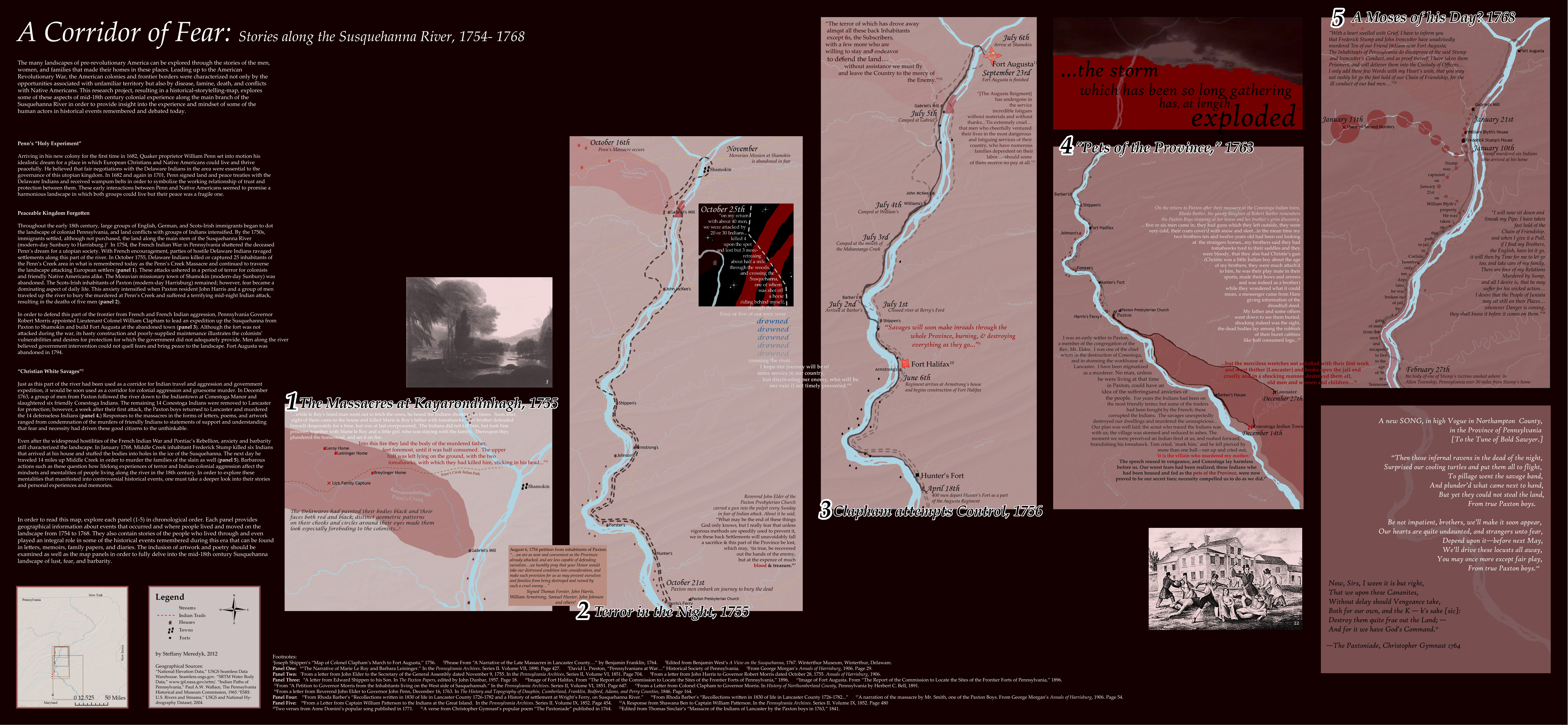
 There are various platforms out there for constructing digital timelines that also allow for the inclusion of multimedia elements and one, Timemapper, also allows for a mapping window. Most frequently used are Timeglider and Timeline.js








 Moravian Studies and Digital Thinking and Praxis